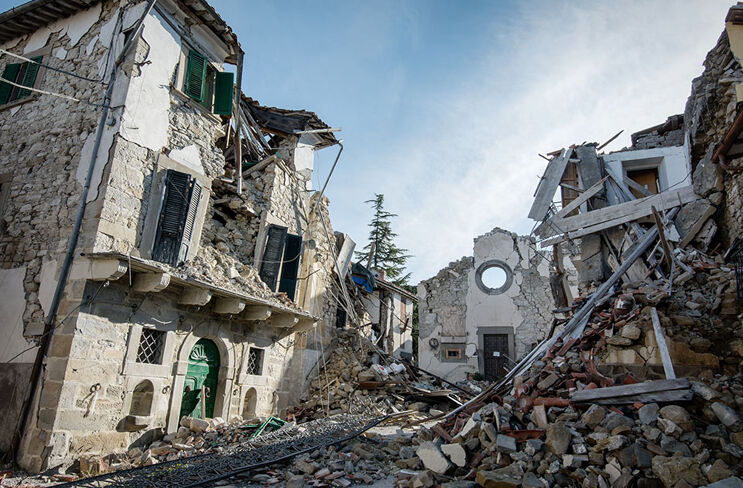
Earthquakes aren’t uncommon. Small earthquakes measuring between 3.0 to 4.0 on the Richter scale occur approximately 130,000 times a year worldwide. More severe earthquakes with a magnitude of 7.0 to 8.0 happen about 15 times annually on average. Countries along the eastern Mediterranean Sea, from Italy and the Balkan Peninsula to Greece and Turkey, experience these events more frequently than average.
Depending on the strength of the tremors, earthquakes can trigger landslides, soil liquefaction, floods, and tsunamis while damaging electrical and gas lines. Earthquakes can also cause cracks in walls, foundation shifts, and broken pipes. It’s not only the stability of buildings that’s affected by earthquakes. Components fastened to buildings (non-load-bearing components) also pose risks to safety and wellbeing.
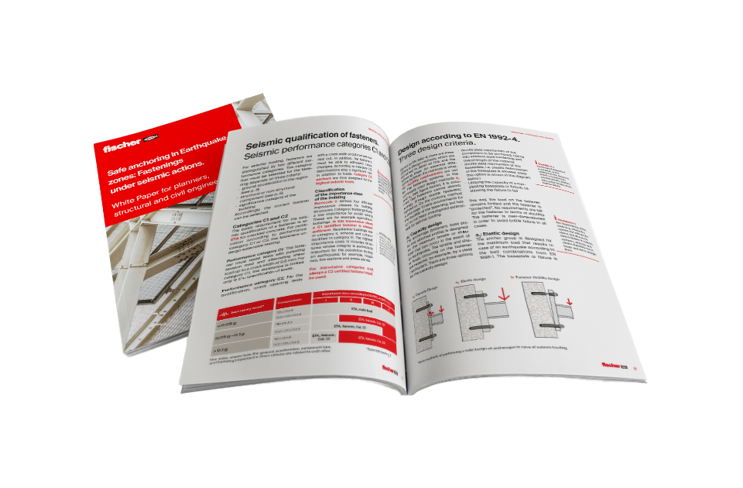
fischer’s white paper on ‘anchorages under seismic loading’ provides answers to key questions about earthquake-proof anchorages:
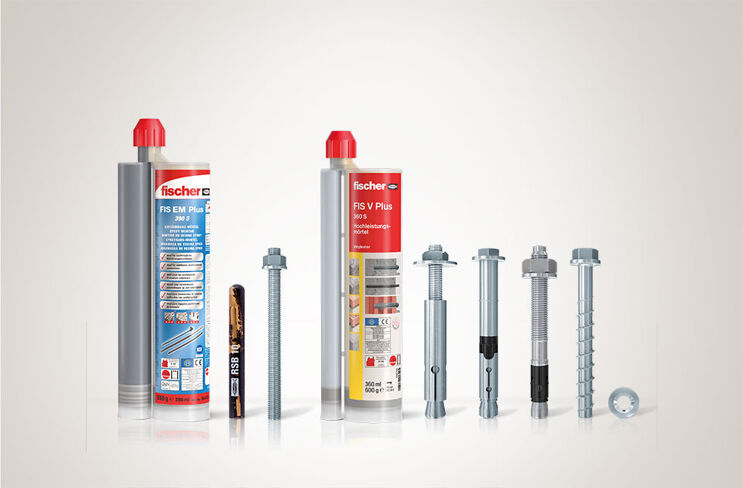
To prevent serious consequences for the public during an earthquake, non-load-bearing building components also need earthquake-proof fastening. The fixing specialist fischer offers a wide range of products suitable for fastenings under seismic loading.
The following products can withstand even high seismic forces:
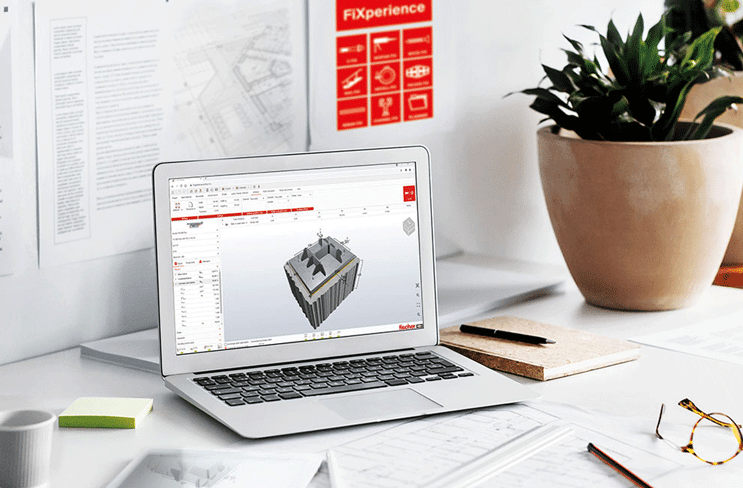
In general, those installing anchorages under seismic loading must present evidence that the selected products are suitable for the action provided. Structural engineers can provide this evidence for entire projects as well as individual applications with the fischer FiXperience Suite software. In addition to this offline version, there is also a FiXperience Online browser version. Find out which opportunities await you in the C-FIX Online module contained in the software:
Try out the FiXperience Online design programme free of charge now!
Structural engineers will also find competent support from fischer’s Technical Advice Experts, who are available by email (intsupport@fischer.de)